Presentation & Art Direction
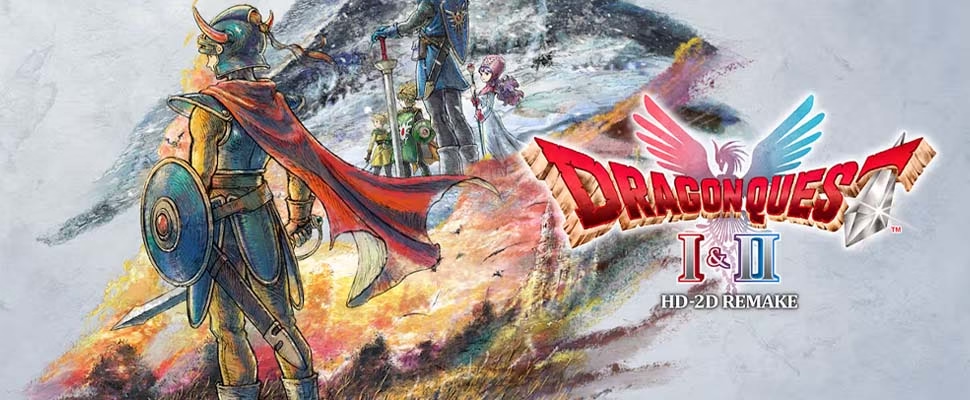
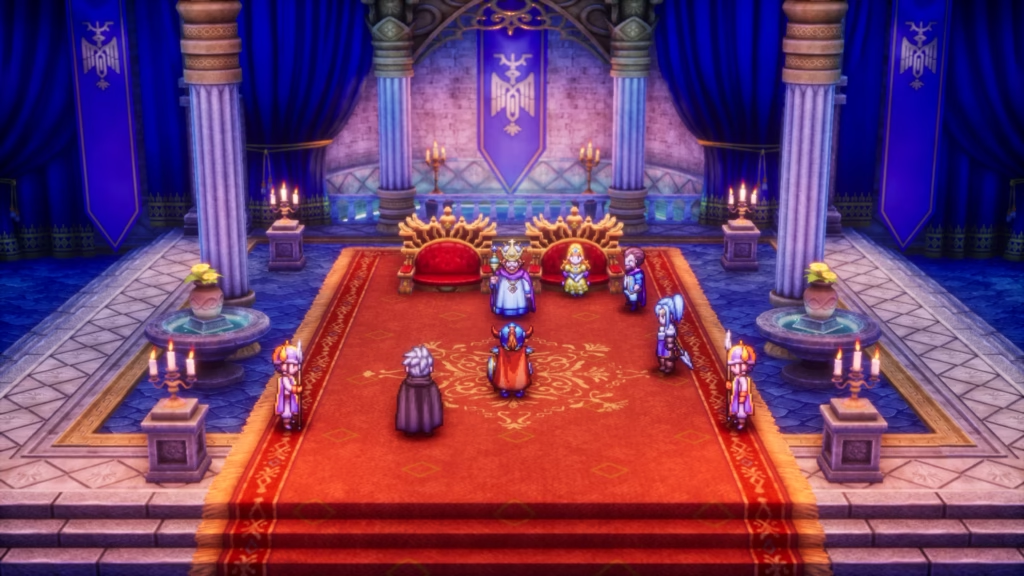
The game’s visual overhaul is nothing short of stunning. The HD-2D style blends expressive pixel art with modern lighting and depth effects, breathing warmth and personality into towns, monsters, and environments. It allows both games to feel nostalgic and fresh at the same time—something that earlier rereleases never fully achieved.
The orchestrated soundtrack elevates the experience even further, enhancing each journey with richer instrumentation and emotional nuance. Key story moments also feature partial voice acting, which adds a subtle but welcome layer of narrative engagement without disrupting the old-school vibe.
Gameplay & Difficulty
Both remakes retain their traditional turn-based battle systems with minimal alterations, preserving the deliberate pacing and classic challenge of the originals. New players may find some sections surprisingly demanding, especially early-game encounters that rely heavily on grinding and resource management. Yet this difficulty is part of what gives these titles their identity: slow but rewarding progression, strategic planning, and a clear sense of growth.
Narrative & Legacy
The stories remain simple by modern standards, but their structural clarity and mythic tone still hold up remarkably well. These remakes serve as an authentic gateway into the roots of Dragon Quest—a series known for charm, warmth, and timeless adventure.
Final thoughts
Dragon Quest I & II HD-2D Remake is the definitive way to experience the beginning of the franchise. With beautiful visuals, polished audio, and a faithful approach to difficulty and pacing, it offers an ideal entry point for newcomers and a heartfelt tribute for long-time fans.