Atmosphere & Presentation
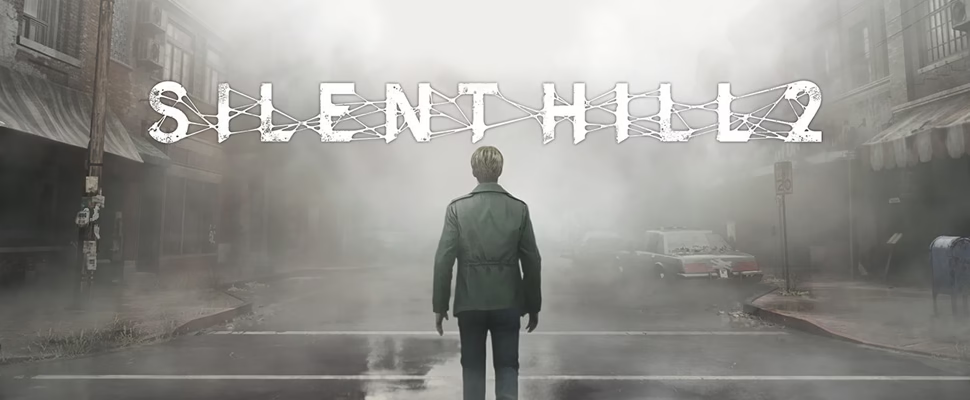
Visually, the remake is outstanding. The environments are oppressive, detailed, and unsettling, capturing the suffocating tone of the original while upgrading it to contemporary standards. The shift to an over-the-shoulder camera could have disrupted the pacing, but it manages to sustain tension thanks to tight level design, oppressive lighting, and thoughtful sound direction.
Akira Yamaoka’s score remains the beating heart of the experience. His melancholic, haunting compositions carry the emotional weight of James Sunderland’s journey and elevate each scene with painful beauty.
Gameplay & Combat
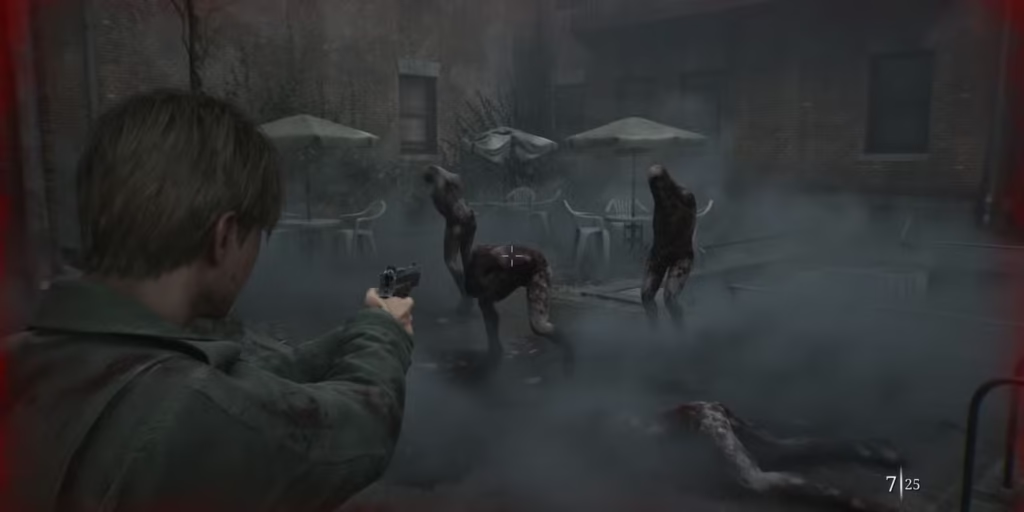
Combat is the most divisive aspect of the remake. While it feels more responsive and satisfying than expected, the game occasionally leans too heavily into action, risking moments where the psychological focus becomes diluted. However, these instances do not overshadow the overall experience, which still prioritizes atmosphere and narrative.
Story & Themes
Silent Hill 2’s deeply personal narrative has been adapted with remarkable care. Bloober Team manages to preserve the ambiguity, emotional violence, and symbolism that made the original a landmark in storytelling. The performances, visuals, and pacing strengthen rather than dilute its core identity.
Performance
The game’s launch was not free of performance issues—particularly related to framerate drops and optimization on certain systems. While improvements have mitigated some of these problems, they remain worth noting for players seeking a flawless technical experience.
Final thoughts
Silent Hill 2 Remake is a powerful reinterpretation of a psychological horror masterpiece. Despite some unnecessary emphasis on combat and performance hiccups, it remains a beautifully crafted, emotionally resonant experience and a worthy return to one of the genre’s most influential titles.